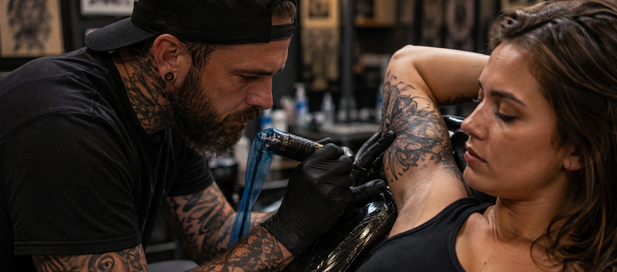
Creating a high-quality tattoo requires skill, precision, and an understanding of how different parts of the body affect the tattooing process. While experienced tattoo artists can work on nearly any area, some body locations are naturally more challenging than others. Factors such as skin texture, body movement, sensitivity, and healing all influence the difficulty of tattooing certain areas.
Hands and Fingers
The hands and fingers are among the most difficult places to tattoo because the skin is constantly exposed to friction, moisture, and sunlight. Tattoos in these areas may fade more quickly and often require touch-ups to maintain their appearance. The limited space also demands exceptional precision, especially for detailed designs or fine lettering.
Ribs and Side of the Body
The ribcage is known for being one of the most challenging areas due to the constant movement caused by breathing. The skin is relatively thin and stretches with each breath, requiring artists to carefully adjust their technique. Many clients also find rib tattoos more uncomfortable, making it important for both the artist and client to remain steady throughout the session.
Knees and Elbows
Knees and elbows present unique challenges because the skin is thick, uneven, and constantly bending. The curved surfaces can make it difficult to create smooth, consistent lines or symmetrical patterns. These joints also experience frequent movement during healing, which may affect the final appearance if proper aftercare is not followed.
Feet and Ankles
Tattooing the feet and ankles requires careful attention because these areas have thin skin, numerous bones close to the surface, and frequent contact with shoes and socks. Daily wear can increase irritation during healing, while the skin’s characteristics may cause ink to fade faster than on other parts of the body.
Neck and Face
The neck and face require a high level of precision because even minor imperfections are highly visible. The skin in these areas varies in thickness, and tattoos are often exposed to sunlight, making long-term care especially important. Artists typically take extra time planning placement to ensure the design complements the body’s natural features.
Experience Makes the Difference
Although certain body areas present greater challenges, skilled tattoo artists adapt their techniques to each location and individual client. Careful planning, proper tattoo application, and diligent aftercare all contribute to achieving a lasting, high-quality result. Understanding the unique characteristics of each body area helps both artists and clients set realistic expectations before the tattooing process begins.
This post was written by J Michael Taylor. J Michael Taylor is an artist and the owner of Black Amethyst Tattoo Gallery. Black Amethyst is the Best Tattoo Artist in Tampa. They provide an art-first approach to custom tattooing in a gallery setting.